
Myofascial Release
Softening What Traditional Massage Can't Reach
At Wild Blossom, massage isn't a one-size-fits-all offering. Depending on what your body needs, we work with trigger point therapy, deep tissue, myofascial release, Swedish massage, oncology-specific massage, manual lymphatic drainage, and prenatal massage — each one suited to a different kind of relief. Part of what we do in that first conversation with you is figure out which approach actually fits what you're dealing with, instead of defaulting to the same routine for everyone who walks through the door.
In this post, we're focusing on one in particular: myofascial release. If you've tried massage before and found that the tightness always comes back — or that it never quite reaches the real source of the restriction — this might be the missing piece.
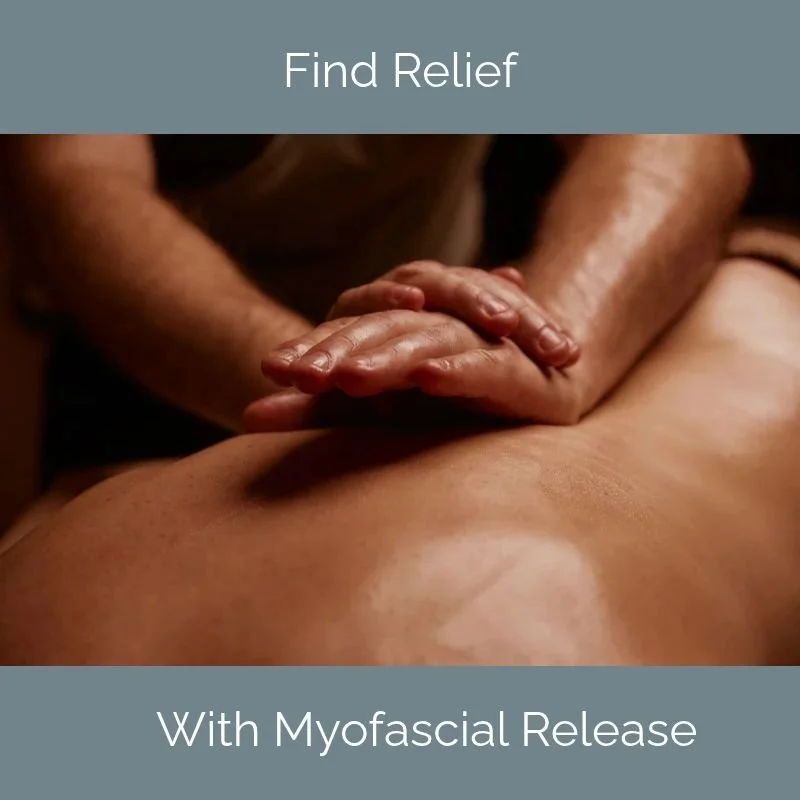
What Myofascial Release Actually Is
Your fascia is the connective tissue that wraps around your muscles, bones, nerves, and organs — a continuous, three-dimensional web that holds your whole body together. When it's healthy, it glides and stretches with you. But injury, surgery, repetitive movement, poor posture, or even chronic stress can cause it to tighten and stick in places, creating restrictions that limit how you move.
Myofascial release is a hands-on technique that uses slow, sustained pressure to soften those restrictions. Unlike traditional massage, which often works more superficially on the muscle itself, myofascial release works with the fascia directly — holding gentle, consistent pressure in an area until the tissue actually begins to release and lengthen.
It's not a quick rub-and-go. It's patient, deliberate work — and that patience is exactly what makes it effective.
Why Traditional Massage alone doesn't always cut it
If you’ve had massage after massage and the same tight spot keeps coming back, it’s not because the massage wasn’t “deep enough.” It’s often because the issue isn’t in the muscle at all — it’s in the fascia surrounding it, and that tissue responds to a different kind of pressure entirely.
Because fascia is one continuous web throughout your body, a restriction in one area can actually show up as pain or tightness somewhere else entirely. Tight hips can show up as low back pain. A shoulder injury from years ago can still be limiting your neck mobility today. Myofascial release works with that whole-body connection, rather than just chasing the spot that hurts.
Who tends to benefit most
Myofascial release is especially helpful if you’re dealing with:
Chronic pain that hasn’t responded well to other treatments
Stiffness or restricted range of motion, whether from an old injury, surgery, or just years of holding tension
Postural imbalances from desk work, driving, or repetitive movement
Scar tissue restrictions following surgery
Stress that’s settled physically into your body and won’t let go, even after other kinds of massage
If any of that sounds familiar, you’re far from the only one. A lot of our clients come to us after trying “everything” — physical therapy, stretching, deep tissue work — and still feeling stuck. Myofascial release is often the approach that finally reaches what those other methods couldn’t.
What a session feels like
Myofascial release is gentler than people often expect, especially if you’re picturing deep tissue work. The pressure is sustained rather than aggressive, and a lot of the work happens in stillness — your therapist holding a restricted area, waiting for the tissue to soften and respond, rather than working quickly through it.
It’s common to feel sensations of warmth, stretching, or even emotional release as tension that’s been held in the body for a long time finally lets go. Many clients describe a feeling of lengthening and openness afterward — like they have more room to move than they did walking in.
As with all of our massage offerings, your session starts with a real conversation about your health history, what’s going on in your body right now, and what you’re hoping to get out of treatment. From there, we tailor the session to what you actually need that day — which might mean blending myofascial release with trigger point work or another technique, if that’s what will serve you best.
Getting the most out of it
A few things that help:
Drink water before and after. It supports your tissue and your lymphatic system as it processes the release.
Be honest about your pain and history. The more we understand about what you’re carrying — old injuries, surgeries, areas you’ve been favoring — the more precisely we can work.
Give it time. Fascia doesn’t release in a single session the way a knot might. Lasting change often comes from a series of sessions, especially with restrictions that have been there for years.
Expect some soreness afterward. It’s common to feel a bit tender for a day or two, similar to how you’d feel after a good stretch — that’s a normal part of the tissue adjusting.
Ready to feel some room again?
If you’ve been living with tightness that nothing else has quite reached, myofascial release might be exactly what your body’s been asking for. We’ll start with a conversation about what you’re dealing with and build a plan around it — no guessing, no generic routine.
Schedule Now.
Not sure which approach is right for you? No worries at all. Just book the length of massage you want: 30-minute, 60-minute or 90-minute and discuss your goals and needs with Bethany at your appointment.