
Manual Lymphatic Drainage:
Gentle Support for Life During and After Cancer Treatment
Cancer treatment asks a lot of your body. Between surgery, radiation, and the day-to-day of just getting through it, it's no wonder so many patients end up dealing with swelling, stiffness, fatigue, and a body that doesn't feel like theirs anymore.
You may have already heard your care team mention lymphedema, or maybe you're just noticing the swelling yourself and wondering what, if anything, can help. That's where manual lymphatic drainage (MLD) comes in — a gentle, specialized form of massage that's become one of the most trusted complementary therapies for people navigating cancer treatment and recovery.
Here's what it is, why it matters, and what you can expect if you decide to try it.
What Manual Lymphatic Drainage Actually Is
MLD is a light-touch massage technique developed by Dr. Emil Vodder in the 1930s, built specifically to work with your lymphatic system — the network responsible for both your immune defense and your body's fluid balance.
When surgery, radiation, or cancer itself disrupts that system, lymph fluid can stop moving the way it should. It pools. It causes swelling, tightness, and discomfort, and it can leave your body working harder than it needs to just to keep up.
MLD uses gentle, rhythmic strokes to help that fluid move again — encouraging it back toward the bloodstream, where your body can process and eliminate it naturally. It's not deep tissue work. It's not intense. It's slow, deliberate, and designed to work with your body instead of pushing against it.
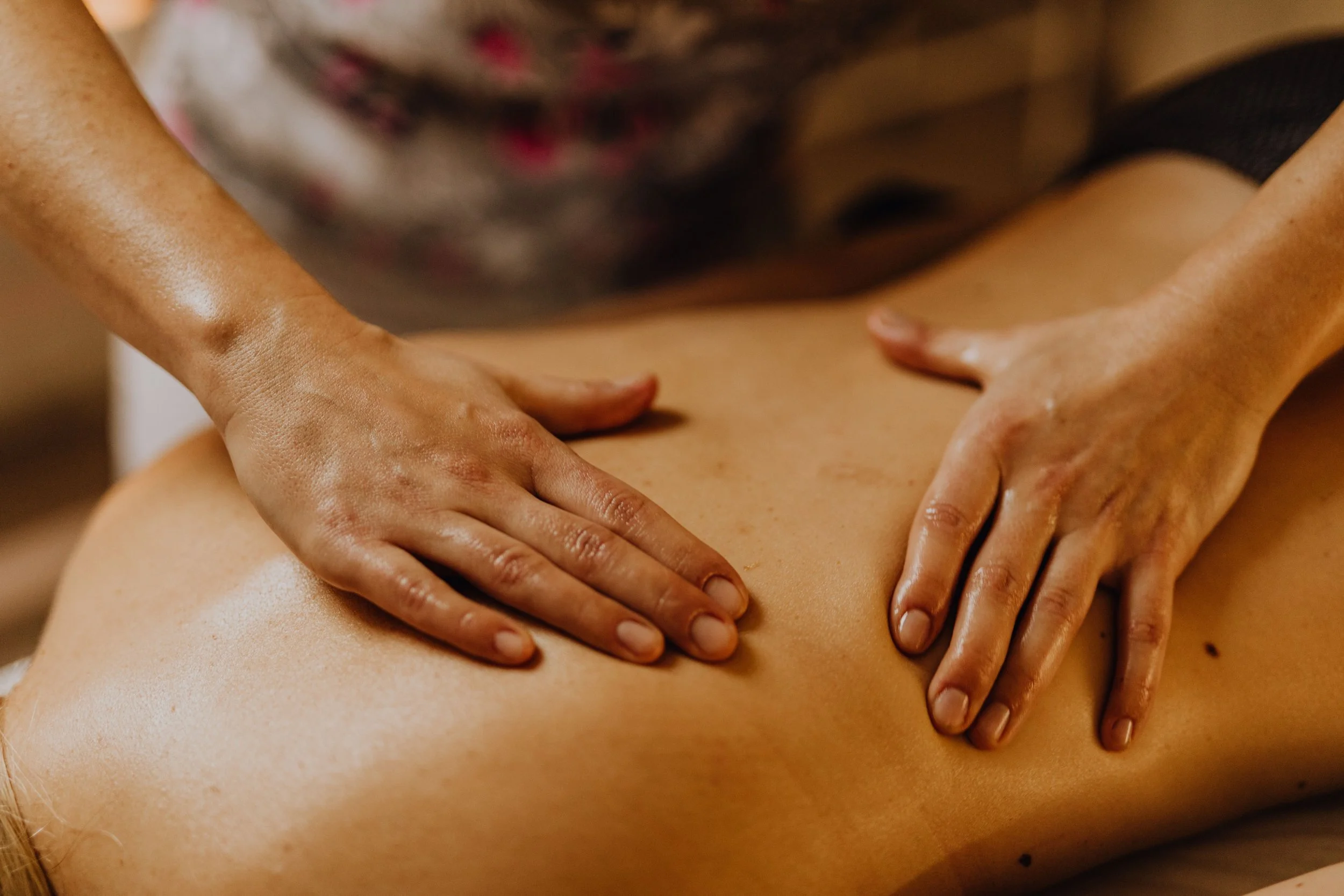
Gentle strokes of Manual Lymphatic Drainage Massage
Why It Matters So Much for Oncology Patients
If you're in active treatment or recovering from it, MLD isn't just a nice-to-have — it can be a genuine source of relief. Here's what it tends to help with:
Swelling and fluid retention. Many cancer treatments leave patients dealing with lymphedema or general puffiness. MLD directly addresses this by getting stagnant fluid moving again.
Pain and stiffness. Between surgery scars, radiation, and simply not moving the way you used to, a lot of patients carry tension and soreness they didn't have before. MLD's gentle strokes can ease that discomfort and support better range of motion.
Stress and anxiety. A cancer diagnosis brings a level of stress that's hard to put into words. The slow, soothing nature of MLD gives your nervous system a chance to actually settle — many patients say it's the first time in weeks they've felt fully relaxed.
Immune support. Your lymphatic system is part of your immune defense. Keeping it moving well matters, especially when your body is already working overtime.
A sense of agency. Cancer treatment can make you feel like things are happening to you. Choosing a therapy like MLD — something that actively supports your healing — is one small way to take an active role in your own care.
What a Session Actually Looks Like
At Wild Blossom, MLD sessions are performed by Bethany Smith, our licensed massage therapist trained specifically in this technique. Before anything begins, she'll take time to understand what you're dealing with — your treatment history, where you're experiencing swelling or discomfort, and what you're hoping to get out of the session.
From there, sessions typically run 30 to 60 minutes, using light pressure and circular motions designed to encourage lymph flow rather than force it. It's gentle enough that most patients find it deeply relaxing, not something to brace for.
A few things worth knowing before your first visit:
Check with your oncologist first, especially if you're in active treatment — MLD is generally very safe, but it should always be coordinated with your broader care plan.
Come hydrated. Water helps your lymphatic system do its job.
Be open about your health history. The more Bethany understands, the more precisely she can tailor your session.
Afterward, most people feel noticeably lighter and calmer. Staying hydrated helps flush out what the massage moved, and it's worth paying attention to how your body responds in the days after — everyone's experience is a little different.
It Doesn't Have to Stand Alone
MLD tends to work best as part of a bigger picture. Many of our patients pair it with things like gentle movement, good nutrition, or support from a therapist or counselor — building a holistic approach that supports both body and mind through treatment.
You don't have to figure all of that out on your own, either. That's what we're here for.
Ready to Feel a Little Lighter?
If you're navigating cancer treatment — or supporting someone who is — manual lymphatic drainage might be exactly the kind of gentle support your body needs right now. Bethany would be glad to talk through what to expect and build a plan around what you're going through.
Not sure if MLD is the right fit yet? Book a free 20-minute meet & greet and we'll help you figure it out together.
608-205-8596 · 133 S. Butler St, Suite 250, Madison, WI, 53703